🔆Medicaroid Robotics and the Next Surgical Turning Point for Africa: A Clinical–Economic Perspective from Decades in Operating Theatres.
There are moments in surgical history when a tool quietly changes everything.
Not because it replaces the surgeon , but because it removes the limits around the surgeon.
After observing years of evolution from open surgery to laparoscopy, and from laparoscopy to robotic assistance, : health systems do not transform when technology arrives; they transform when the right technology arrives at the right time for the right environment.
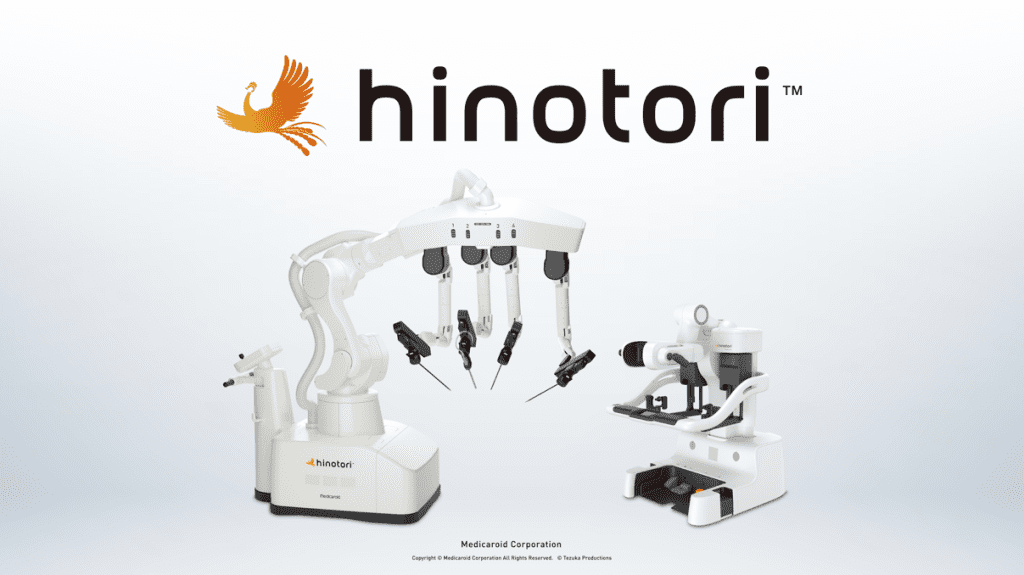
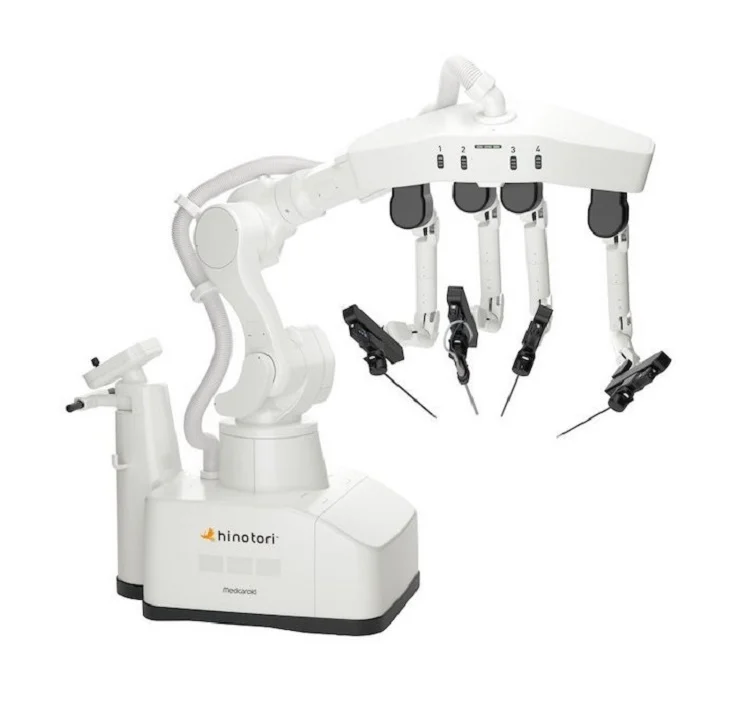
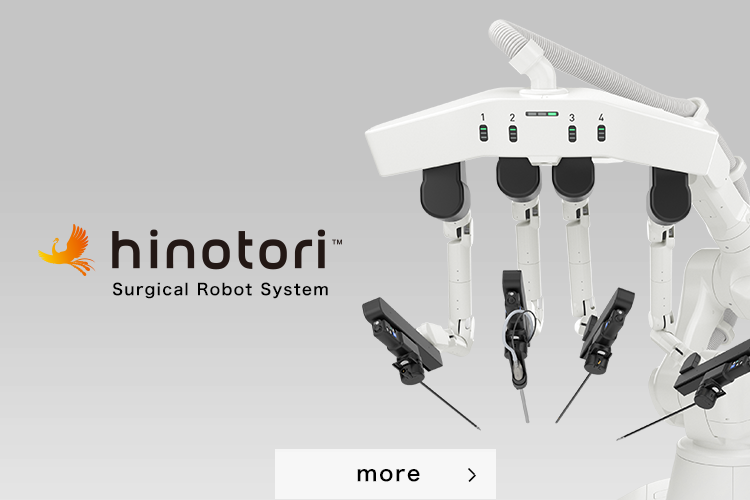
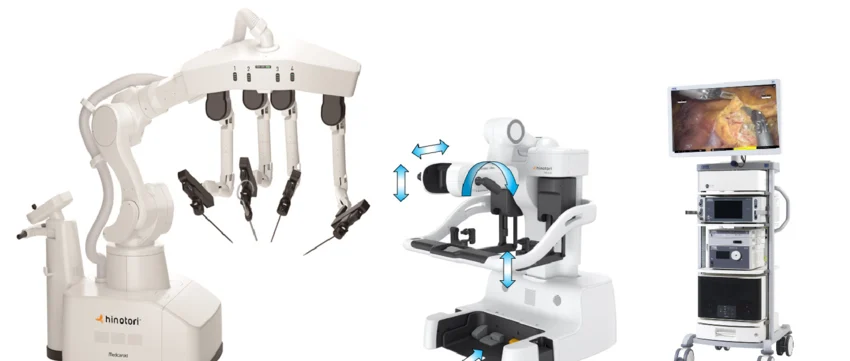
The rise of the hinotori™ surgical robot, developed by Medicaroid Corporation, signals such a moment , particularly for emerging healthcare systems like those in Nigeria and across Africa.
🔆What Makes the Medicaroid Approach Clinically Different.
High-impact surgical literature repeatedly demonstrates that robotic-assisted surgery improves precision, reduces blood loss, enhances visualization, and supports minimally invasive techniques that shorten recovery time and lower complication rates. The hinotori system belongs to a new generation designed with an explicit focus on surgeon ergonomics and operating room practicality rather than pure technical spectacle.
Clinical introductions in Japan and expansion into centers such as Singapore General Hospital show that the system is advancing beyond pilot status into real surgical workflows, including urology, gastrointestinal, gynecologic, and thoracic procedures. (sysmex.co.jp)
Its architecture reflects several clinically meaningful decisions:
✅Human-arm-inspired robotic movement reduces instrument collision. (sysmex-europe.com)
✅Ergonomic cockpit design directly addresses surgeon fatigue — an underestimated source of intraoperative error. (sysmex-europe.com)
✅Compact design allows integration into existing operating theatres rather than demanding expensive rebuilding. (sysmex-europe.com)
These are not cosmetic improvements. They are operational realities that matter profoundly in African hospitals where theatre space, staffing, and budget are tightly constrained.
🔆Clinical Evidence and Why It Matters for Africa
Across robotic surgery research, consistent outcome patterns emerge:
✅Reduced conversion from minimally invasive to open procedures
✅Lower postoperative pain burden
✅Shorter hospitalization durations
✅Improved surgeon stability during complex dissections
✅Better preservation of delicate structures during oncologic surgery
The early experience of hinotori-assisted surgery in Japan reports smooth implementation and low blood loss in prostate procedures, reflecting global trends seen in robotic-assisted urology. (hiroshima-u.ac.jp)
For African healthcare systems, these clinical benefits translate into three powerful realities:
🟩Fewer Complications Mean Fewer Financial Losses
Complications consume hidden hospital resources such as ICU days, antibiotics, repeat surgeries, legal exposure. Robotic precision reduces these drains.
🟩 Better Outcomes Build Patient Trust
Patients increasingly travel across borders seeking advanced surgical options. Hospitals that adopt robotics become regional referral centers.
🟩Surgeon Longevity
Surgeon fatigue is rarely discussed in policy circles, yet musculoskeletal strain shortens careers. Ergonomic robotics preserves expert human capital.
🔆The Return on Investment Argument Decision-Makers Cannot Ignore.
Hospital executives do not acquire robotics to impress visitors; they acquire them to improve performance.
The ROI pathways are clear:
👉🏻Increased Case Throughput
Robotic workflow standardization allows more predictable schedules and shorter turnover times.
👉🏻Premium Surgical Services
Robotic-assisted procedures command higher fees and attract privately insured patients.
👉🏻Medical Tourism Revenue
African patients currently travel abroad for complex minimally invasive surgery. Robotics keeps those funds local.
👉🏻Talent Attraction
Top surgeons choose institutions that invest in advanced technology.
The question is no longer “Can we afford robotics?”
The real question is: Can hospitals afford not to compete with robotics-enabled centers?
🔆Why Medicaroid Has Strategic Relevance for Nigeria and Africa.
Many first-generation surgical robots were developed for wealthy health systems with limitless infrastructure spending. Medicaroid’s engineering philosophy ,compact installation and scalable deployment , aligns better with emerging markets.
Its progression from Japan to Singapore and Malaysia demonstrates growing international acceptance. (sysmex.co.jp)
For Africa, this creates a unique opportunity:
✅Enter the robotics era without inheriting older, overly expensive models
✅Adopt systems designed for practical deployment
✅Train local surgeons using modern workflows from the beginning
In a nutshell ,Africa can skip a generation of surgical technology and move directly into modern robotic practice.
🔆Why Phinnastads Biomedical Ltd Is Positioned as the Natural Bridge.
Technology succeeds or fails based on local implementation.
Phinnastads Biomedical Limited stands at an important intersection:
✅Biomedical engineering understanding of device lifecycle
✅Clinical background capable of speaking directly with surgeons
✅Experience in medical technology deployment within African healthcare realities
This combination is rare. Distributors sell equipment. Clinically intelligent partners build systems that last.
Phinnastads offers something global manufacturers seek but rarely find in emerging markets:
✅Clinical credibility
✅Regulatory familiarity
✅Long-term technical commitment
✅Insight into African hospital decision pathways
For global robotics companies and emerging startups, partnership with Phinnastads represents entry into a rapidly growing market guided by people who understand both the operating room and the business environment.
🔆The Future Beyond the Operating Room
Early demonstrations linking hinotori technology with advanced networking systems hint at future remote surgical collaboration models. (NTT)
Imagine this scenario:
✅A specialist in Lagos mentors a surgeon in Kaduna in real time.
✅Expertise travels faster than patients.
✅Rural centers gain access to advanced surgical guidance.
This is not science fiction; it is the natural evolution of digitally connected surgery.
🔆What Decision-Makers Need to Hear Right Now
Hospitals that adopt surgical robotics today will define surgical leadership for the next twenty years.
The winners will be institutions that:
✅Invest before the market becomes crowded
✅Build training ecosystems early
✅Partner with experienced deployment specialists
The first movers will attract clinicians, research grants, and international partnerships.
The late movers will purchase technology simply to catch up.
High-Impact Lines Designed to Spark Conversation and Attention
- “The surgeon stays human; the precision becomes superhuman.”
- “Robotic surgery is no longer a luxury — it is a survival strategy for modern hospitals.”
- “Africa should import innovation, not outdated operating room models.”
- “The next surgical destination in Africa will be the hospitals that move first.”
- “When precision improves, profits follow.”
Final Reflection
Medicaroid’s robotic platform represents a practical evolution ,clinically grounded, operationally sensible, and increasingly global.
For Nigeria and Africa, the opportunity is clear:
✅Better patient outcomes
✅Stronger hospital economics
✅Elevated international reputation
✅A new generation of surgical leadership
And for organizations like Phinnastads Biomedical Ltd, this is more than procurement.
It is the chance to become the architect of Africa’s robotic surgery future.
#Hinotorisurgicalrobotics #Medicaroidscorporation #Healthcareinnovation #Medicaltechnology #Roboticsurgery #Healthcareleadership #Africanhealthcare #Medicalinnovation #Digitalsurgery #Clinicalexcellence #Futureofsurgery #Phinnastadsbiomedicalltd
The Future of Surgery in Africa Is No Longer a Prediction : It Is a Decision.
After decades of clinical evidence from high-impact surgical research, one message is clear: robotic-assisted surgery is improving precision, reducing complications, shortening recovery time, and helping surgeons deliver safer care.
The emergence of the hinotori™ surgical robot by Medicaroid Corporation signals an important shift :robotics designed not just for high-resource settings, but for practical operating rooms that demand efficiency, flexibility, and measurable outcomes.
Why this matters for Nigeria and Africa:
✅More precise minimally invasive surgery
✅Lower postoperative complications and shorter hospital stay
✅Improved surgeon ergonomics and career longevity
✅Increased surgical capacity and revenue potential for hospitals
✅Stronger positioning for medical tourism and specialist retention
Healthcare leaders must see robotics not as an expense, but as an engine for better outcomes and long-term sustainability.
For hospitals and investors, the return goes beyond finances ,it is measured in lives improved, talent retained, and healthcare systems strengthened.
Phinnastads Biomedical Ltd stands at the intersection of medicine, biomedical engineering, and clinical technology deployment,creating a pathway for advanced surgical systems to deliver real impact in African healthcare environments.
The question is no longer if robotic surgery belongs in Africa.
The real question is: Who will lead the transition?
💬 Let’s discuss how surgical robotics can redefine healthcare delivery across Nigeria and the continent.
#Hinotorisurgicalrobotics #Medicaroidscorporation #Healthcareinnovation #Medicaltechnology #Roboticsurgery #Healthcareleadership #Africanhealthcare #Medicalinnovation #Digitalsurgery #Clinicalexcellence #Futureofsurgery #Phinnastadsbiomedicalltd
.
Recent Posts
-
 🚨 THE ROBOT THAT OPERATES WHERE HUMAN HANDS CANNOT 🚨Virtuoso® Surgical Robotics Is Redefining Minimally Invasive Care In Africa
 -
🔆Virtual Incision’s MIRA™ Robotic Surgical System : Clinical Evidence, Healthcare Impact, and Strategic Value for Nigeria and Africa.
-
🔆Titan Medical’s SPORT Single-Port Robotic Surgical System — Clinical Feasibility, Healthcare Transformation, and Strategic Value for Nigeria and Africa
-
🔆Think Surgical, Inc. Orthopedic Robotics for Precision Joint Replacement: Clinical Evidence, Healthcare Impact, and Strategic Value for Nigeria and Africa.
-
🔆The da Vinci Xi Robotic Surgical System and Its Clinical Applications, Global Impact, and Strategic Deployment for Nigeria and Africa


