
🔆Corindus Vascular Robotics: Precision Vascular Navigation to Transform Cardiovascular Care
Cardiovascular disease (CVD), particularly coronary artery disease (CAD), remains a leading cause of morbidity and mortality worldwide and is increasingly prevalent across sub-Saharan Africa and Nigeria due to urbanization, lifestyle changes, and limited access to advanced cardiovascular interventions. In this context, robotic-assisted vascular intervention technologies represent a paradigm shift in how coronary procedures are performed — offering precision, safety, and surgeon ergonomics that extend beyond the capabilities of conventional manual approaches.
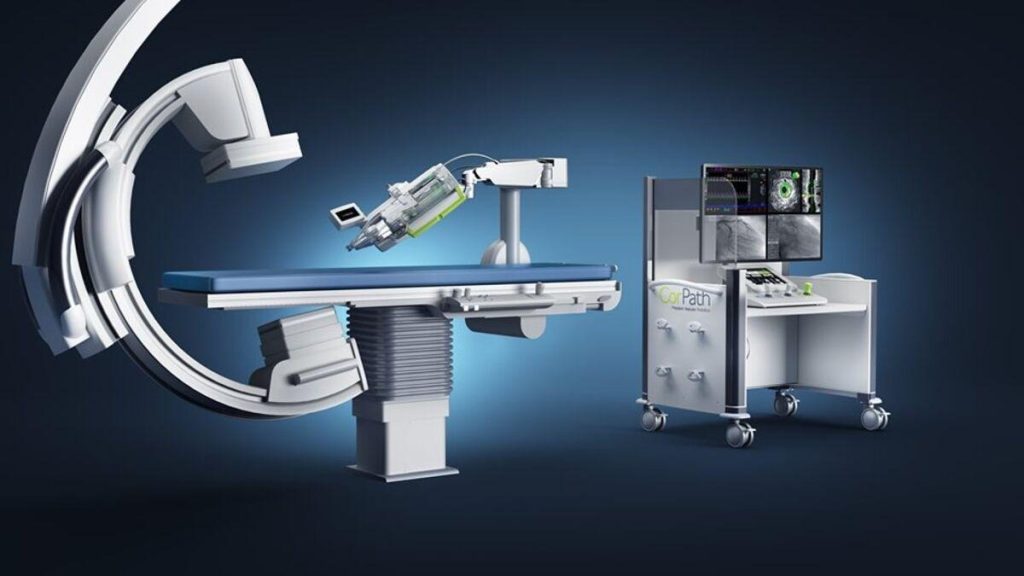
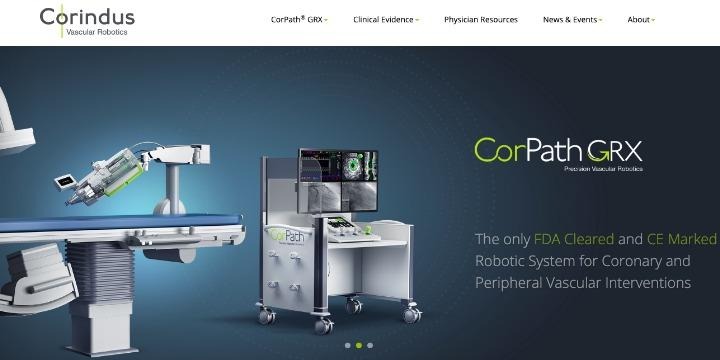
Corindus Vascular Robotics, now a Siemens Healthineers company, has pioneered robotic platforms , most notably the CorPath® GRX system , designed for robot-assisted percutaneous coronary intervention (R-PCI) and endovascular procedures. CorPath brings millimeter-level control to guidewires, balloons, and stents during revascularization, while positioning the operator in a radioprotection cockpit away from direct ionizing radiation exposure. (Business Wire)
🔆Clinical Evidence: Safety, Precision & Outcomes
✅ High Clinical Success and Technical Performance
The PRECISION and PRECISION GRX multicenter registries represent some of the largest clinical datasets examining robotic PCI outcomes to date. Combined data from 1,734 R-PCI procedures demonstrated clinical success rates exceeding 96% and high technical success even in complex lesions, validating the safety and efficacy of robotic assistance in coronary intervention. (PubMed)
These results are consistent with evidence from earlier, well-designed prospective and retrospective studies demonstrating feasibility and safety comparable to manual PCI, without increased adverse events. (PubMed)
✅Reduced Radiation Exposure
A key occupational and patient safety advantage of robotic PCI is radiation reduction:
👉🏻A large comparative cohort study reported a 20% reduction in patient radiation dose with CorPath GRX versus manual PCI, without increasing fluoroscopy or contrast use — crucial benefits in a domain where radiation exposure contributes to both operator and patient risk. (Business Wire)
👉🏻Remote cockpit operation also dramatically lowers operator exposure (historically established reductions over 90% in early robotic systems). (hhmglobal.com)
✅Support Across Global Contexts
International experience , including Australia and Japan ,confirms high clinical and technical success, favorable procedural characteristics, and safety in diverse healthcare settings. (PubMed)
Collectively, this body of evidence positions Corindus robotic platforms as validated, effective, and safe technologies for modern interventional practice.
🔆Strategic Relevance for Nigeria and Africa
✅ Cardiovascular Disease Burden
Nigeria and broader Sub-Saharan Africa face a dual burden: rising chronic cardiometabolic disease and constrained access to advanced cardiac care infrastructure. Traditional PCI requires highly specialized expertise, exposes operators to significant radiation, and is limited by physician availability ,particularly outside tertiary urban hospitals. Introducing robotic PCI can help bridge these gaps by:
👉🏻Increasing procedural accuracy, potentially reducing complications and repeat interventions.
👉🏻Protecting operators from chronic radiation risk, addressing long-term workforce health.
👉🏻Facilitating remote procedural support , future implementations may support tele-mentored interventions where expert interventionalists can guide procedures from centralized centers. (PW Consulting)
Notably, Africa already hosts early robotic vascular suites. For example, Africa’s first Corindus-equipped vascular suite at Mediclinic’s Wits University Donald Gordon Medical Centre underscores the feasibility and transformative potential of robotic PCI in the region. (mediclinic.co.za)
✅Infrastructure Leverage & Workforce Development
By strategically investing in robotic platforms like CorPath via Phinnastads Biomedical, Nigeria can:
👉🏻Enhance Cath Lab capabilities in tertiary centers.
👉🏻Develop center-of-excellence training hubs, raising the standard of interventional cardiovascular care regionally.
👉🏻Attract specialist physicians and create opportunities for advanced subspecialty training and research.
🔆Economic Impact and Return on Investment (ROI)
✅ Value Proposition for Healthcare Systems
Although advanced vascular robotics involves significant initial capital outlay, the long-term ROI arises from:
👉🏻Improved procedural outcomes and reduced complications, which translate into shorter hospital stays, fewer repeat procedures, and reduced long-term care costs.
👉🏻Lower occupational injury risk, translating to workforce retention and reduced occupational health costs.
👉🏻Reduced radiation-related risks for operators and patients alike, contributing to long-term system sustainability.
👉🏻Enhanced diagnostic and treatment service offerings, positioning facilities as premium cardiovascular care centers and attracting paying patients domestically and regionally.
✅ Competitive Differentiation
Institutions equipped with robotic vascular navigation become destination referral centers, increasing case volume and revenue. For private investors or public–private partnerships, this enhances asset value, supports strategic branding, and opens revenue streams from specialized cardiac care.
🔆 Call to Action: Decision-Makers in Nigeria & Africa
The evidence and regional needs converge on one imperative: Invest in precision robotic vascular systems to elevate cardiovascular care quality and accessibility.
Policy & Healthcare Leaders:
Mandate the inclusion of robotic PCI platforms in national cardiovascular strategy frameworks, prioritizing funding, training, and equitable deployment across geopolitical zones.
Hospital Administrators & Cardiac Program Directors:
Partner with Phinnastads Biomedical to fast-track acquisition, installation, and clinical integration of Corindus robotic systems ,ensuring workforce training, maintenance support, and clinical governance frameworks are embedded.
Private Sector and Investors:
Leverage robotic cardiovascular technologies as strategic differentiators in diagnostic and interventional care portfolios ,capturing regional demand while delivering measurable health outcomes.
Academic & Clinical Institutions:
Establish collaborative research and training consortia that document real-world outcomes, refine procedural protocols, and position Nigeria as a hub for cardiovascular innovation in Africa.
Corindus robotic systems have demonstrated high clinical success, enhanced safety profiles, and procedural precision in peer-reviewed studies. They represent a compelling opportunity to transform cardiovascular care delivery in Nigeria and Africa, align with global best practices, and deliver tangible clinical and economic returns. Through strategic procurement and clinical implementation via Phinnastads Biomedical, this technology can become a cornerstone in modernizing vascular interventions ,saving lives and elevating health system performance across the region.
Recent Posts
-
 🚨 THE ROBOT THAT OPERATES WHERE HUMAN HANDS CANNOT 🚨Virtuoso® Surgical Robotics Is Redefining Minimally Invasive Care In Africa
 -
🔆Virtual Incision’s MIRA™ Robotic Surgical System : Clinical Evidence, Healthcare Impact, and Strategic Value for Nigeria and Africa.
-
🔆Titan Medical’s SPORT Single-Port Robotic Surgical System — Clinical Feasibility, Healthcare Transformation, and Strategic Value for Nigeria and Africa
-
🔆Think Surgical, Inc. Orthopedic Robotics for Precision Joint Replacement: Clinical Evidence, Healthcare Impact, and Strategic Value for Nigeria and Africa.
-
🔆The da Vinci Xi Robotic Surgical System and Its Clinical Applications, Global Impact, and Strategic Deployment for Nigeria and Africa


